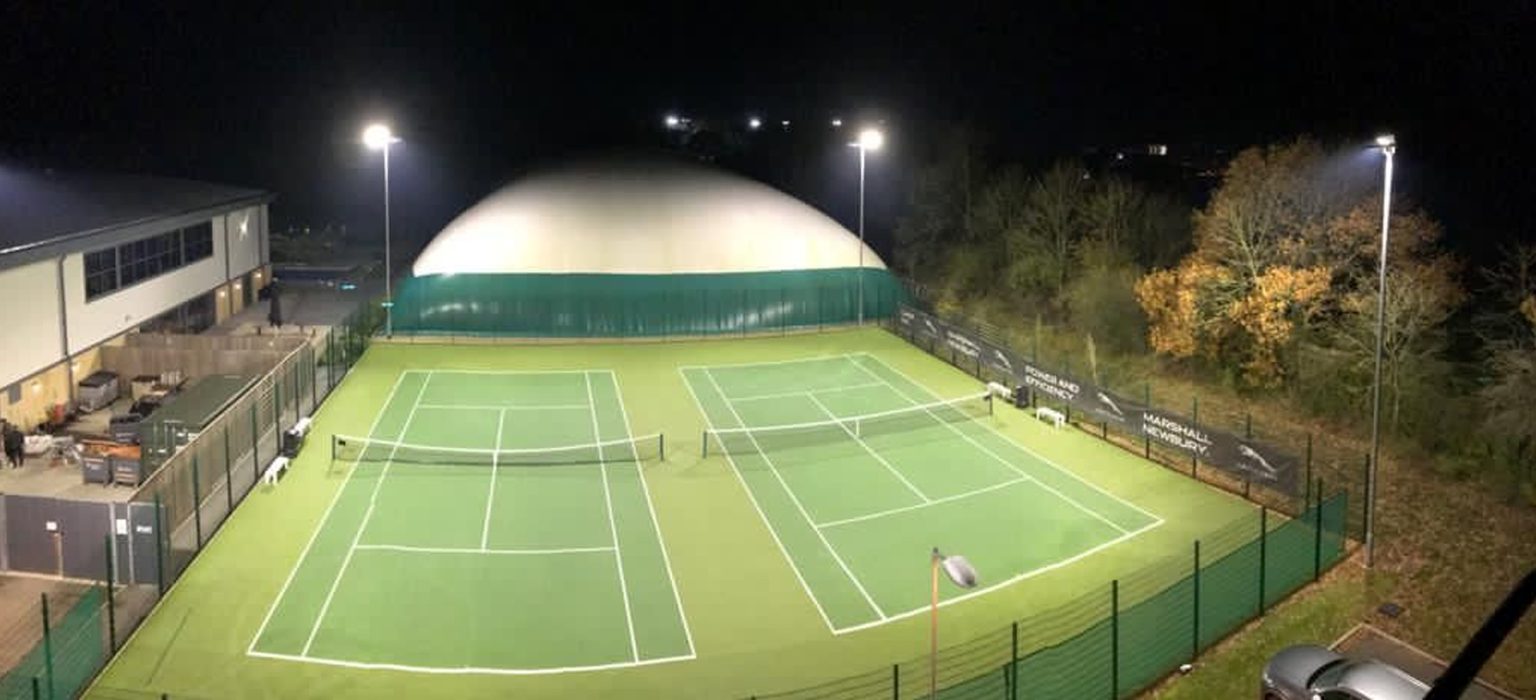
When we consider sports, the first things that come to mind are athletes, competition, excitement, and fans. However, there’s another vital component that’s often overlooked but contributes significantly to the overall experience – stadium lighting. The mammoth structures that house these games require substantial lighting systems to keep the
action visible and vibrant. In this article, we’ll take a look at just how many watts sports stadium lights use.
The Need for Powerful Lights
The world of professional sports demands high-quality lighting systems. Whether it’s football, baseball, soccer, or any other sport, adequate illumination is essential for players to perform their best, for spectators to see clearly, and for broadcasters to provide a crisp, high-definition feed.
Lighting also impacts the safety of the players, ensuring they can see the field, pitch, or court clearly to avoid unnecessary injuries. Poor lighting can negatively affect the accuracy of plays and overall game quality.
Powering Up: The Wattage of Stadium Lights
The number of watts used by sports stadium lights largely depends on the size of the stadium and the sport being played.
A typical light fixture in a large stadium can use between 1500 to 2000 watts per fixture. Given that a large stadium may have hundreds of these lights installed, the total wattage can be quite high.
For example, a football stadium, which is one of the larger sports venues, may have over 300 light fixtures. With each fixture potentially using up to 2000 watts, the total wattage used can reach a staggering 600,000 watts or 600 kilowatts.
Smaller stadiums, like those used for high school sports, generally require less wattage.
A typical high school football field might only use 30,000 to 50,000 watts. Meanwhile, an average-sized soccer stadium could use up to 200,000 watts. It’s important to note that these are estimates, and actual wattage can vary significantly
based on the design and specific lighting needs of the stadium.
The Shift to LED Stadium Lights
Traditionally, metal halide lights were commonly used in sports stadiums due to their high-intensity discharge (HID) that provided powerful illumination. These lights typically consumed large amounts of electricity.
However, the lighting industry has seen a shift towards more energy-efficient technologies, primarily LED (Light Emitting Diode) lights. LEDs can produce the same amount of light as traditional bulbs but use significantly less energy, usually about 50-70% less.
So, while a 1500-watt metal halide light could be replaced by a 750-watt LED light, the LED light would provide the same brightness level. As a result, stadiums that have switched to LED lighting can potentially consume hundreds of thousands less watts than they would have otherwise, resulting in substantial energy savings.
Conclusion
The wattage used by sports stadium lights varies significantly depending on the size of the venue and the sport being played. However, with advancements in lighting technology, particularly with the adoption of LEDs, these spaces are becoming more energy-efficient. This shift not only leads to lower operational costs for stadium operators but also promotes a more sustainable approach to illuminating the thrilling world of sports.