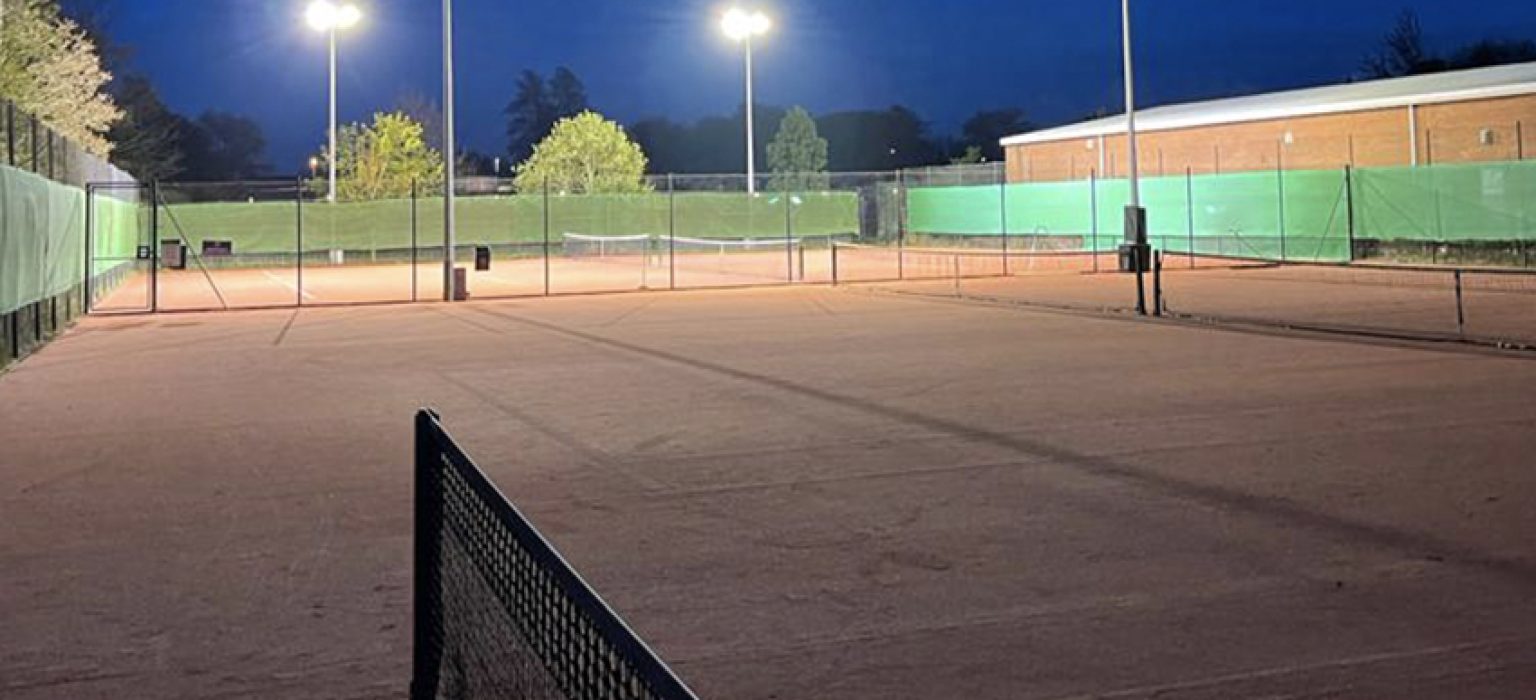
When it comes to sports, the importance of proper lighting cannot be overstated. Whether it’s a grand stadium hosting a major event or a local sports facility, the quality of lighting significantly impacts players’ performance, spectators’ experience, and even the safety of all involved. To ensure the highest standards are met, governing bodies and organisations have established guidelines and standards for sports lighting. In this blog, we will delve into the essential aspects of sports lighting standards and their significance in creating an optimal sporting environment.
- The Importance of Sports Lighting: Sports lighting serves multiple purposes, including providing visibility for players, enhancing spectators’ experience, and enabling accurate officiating. Adequate lighting is essential for players to track the trajectory of the ball, judge distances, and make splitsecond decisions. Spectators rely on well-lit arenas to follow the game action and fully immerse themselves in the event. Furthermore, proper lighting aids officials in making accurate calls and contributes to fair play.
- Illumination Levels and Uniformity: The illumination levels and uniformity of lighting are crucial factors in sports lighting standards. Illumination levels refer to the amount of light needed on the playing surface, while uniformity refers to the consistency of light distribution across the entire area. Different sports have specific requirements based on the size and speed of the ball, the height of the players, and other variables. Lighting standards outline minimum illumination levels and uniformity ratios to ensure optimal visibility for all participants.
- Glare Control: Glare, caused by excessive brightness or poorly directed lighting, can impair visibility and pose risks to players. Sports lighting standards focus on minimising glare by considering factors such as luminaire design, positioning, and shielding. Shielding fixtures helps prevent direct glare by blocking the line of sight between the light source and the observer. By reducing glare, sports lighting enhances visual clarity, reduces eye strain, and promotes player safety.
- Flicker-free Lighting: In sports, where movement and action happen rapidly, flickering lights can be distracting and disrupt the visual experience. Flicker-free lighting is a critical aspect of sports lighting standards. It ensures that the light sources used have high-frequency ballasts or LED drivers, eliminating perceptible flickering and maintaining a consistent illumination level throughout the event. Flicker-free lighting also helps in capturing high-quality slow motion replays and facilitates broadcasting.
- Energy Efficiency and Sustainability:
With growing environmental concerns, sports lighting standards also emphasise energy efficiency and sustainability. The use of energy-efficient lighting technologies, such as LED (Light Emitting Diode), is encouraged due to their longer lifespan, reduced power consumption, and lower maintenance requirements. LED lighting not only provides significant energy savings but also offers superior control over brightness levels, colour temperature, and instant on/off capabilities. - Television Broadcasting Considerations: In today’s sports landscape, television broadcasting plays a crucial role in reaching a global audience. Therefore, sports lighting standards often consider television broadcasting requirements. High-definition television (HDTV) and ultra-high-definition television (UHDTV) demand higher lighting standards to capture the action vividly. Proper lighting design and colour rendering are vital for enhancing the visual experience for viewers at home.
Conclusion:
Sports lighting standards exist to ensure that athletes perform at their best, spectators enjoy an immersive experience, and the integrity of the game is upheld. By adhering to these guidelines, sports facilities can create an environment that promotes safety, fairness, and optimal performance. The advancements in lighting technology, coupled with an increased focus on energy efficiency and sustainability, have led to significant improvements in sports lighting systems. As we move forward, it is essential to stay updated with evolving standards and embrace innovative lighting solutions to illuminate sporting events with excellence.