As the world grows more environmentally conscious, various industries are exploring
new avenues to reduce their carbon footprint. One such field where a significant
transformation is underway is sports lighting. Over the last few years, there has been a
considerable shift from traditional HID (High-Intensity Discharge) lighting to LED (Light
Emitting Diodes) sports lighting. This movement has been accelerated by the numerous
benefits that LED lighting offers, from cost-effectiveness to durability and beyond.
What is LED Sports Lighting?
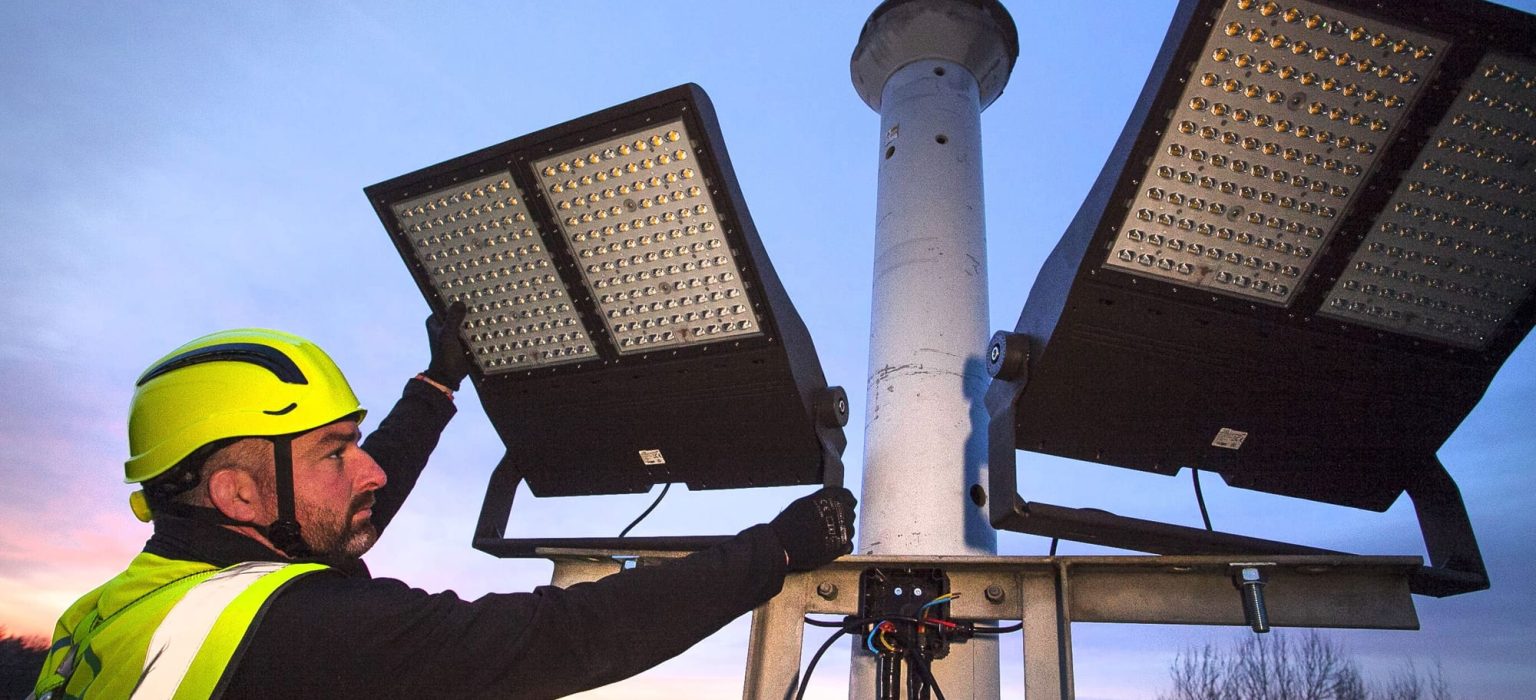
LED sports lighting is a specialized illumination technology designed for sports venues,
ranging from small-scale community fields to large-scale professional stadiums. It offers
uniform, high-quality, bright lighting that is crucial for visibility during night games and
indoor sports events. The technology utilizes Light Emitting Diodes (LEDs), a type of
solid-state lighting that is highly energy-efficient, long-lasting, and delivers superior
performance.
The Advantages of LED Sports Lighting
Energy Efficiency and Cost Savings
One of the primary drivers of the shift to LED sports lighting is its remarkable energy
efficiency. LEDs use approximately 50-70% less electricity than traditional HID lighting,
resulting in substantial cost savings over time. For large sports venues, this reduction in
energy consumption can translate into significant financial savings. Additionally, the long
lifespan of LEDs—often 50,000 hours or more—reduces maintenance costs associated
with frequent bulb replacements.
Quality of Light
LED lights provide superior quality lighting, which is paramount for sports events. They
offer a broad range of color temperatures, provide excellent color rendering, and enable
precise control over light distribution. This means a more enjoyable viewing experience
for spectators, both in-person and those watching broadcasts, and optimal visibility for
athletes, thus enhancing their performance.
Instant On and Off
Unlike traditional lighting systems that take time to warm up before reaching full
brightness, LEDs can be switched on and off instantly. This feature is beneficial during
sports events where immediate full-intensity lighting may be required, for instance, after
halftime or in case of a sudden weather change.
Environmentally Friendly
LEDs are more environmentally friendly than their HID counterparts, not only because of
their energy efficiency but also due to the absence of toxic elements such as mercury.
Moreover, given their longer lifespan, LEDs reduce waste associated with frequent light
replacements.
Real-world Applications of LED Sports Lighting
The shift to LED sports lighting is not just theoretical—it’s already happening. Major
sports venues around the world have embraced LED technology, and the results are
clear to see.
For instance, the Levi’s Stadium, home of the San Francisco 49ers, is an example of a
venue fully lit by LEDs. It was one of the first NFL stadiums to install LED sports lighting,
with an estimated energy savings of about 40% compared to traditional lighting.
Another notable example is the Twickenham Stadium in London. It switched to LED
sports lighting in 2015, resulting in a 30% reduction in lighting energy costs.
Conclusion
The shift to LED sports lighting marks a significant milestone in the sports industry’s
journey toward sustainability. It not only promises improved experiences for athletes and
fans alike but also represents a meaningful step in reducing the environmental impact of
sports facilities. As technology continues to evolve, we can expect to see LED sports
lighting becoming an industry standard worldwide. LED sports lighting is not just about
illumination—it’s a beacon guiding us towards a more sustainable and efficient future.