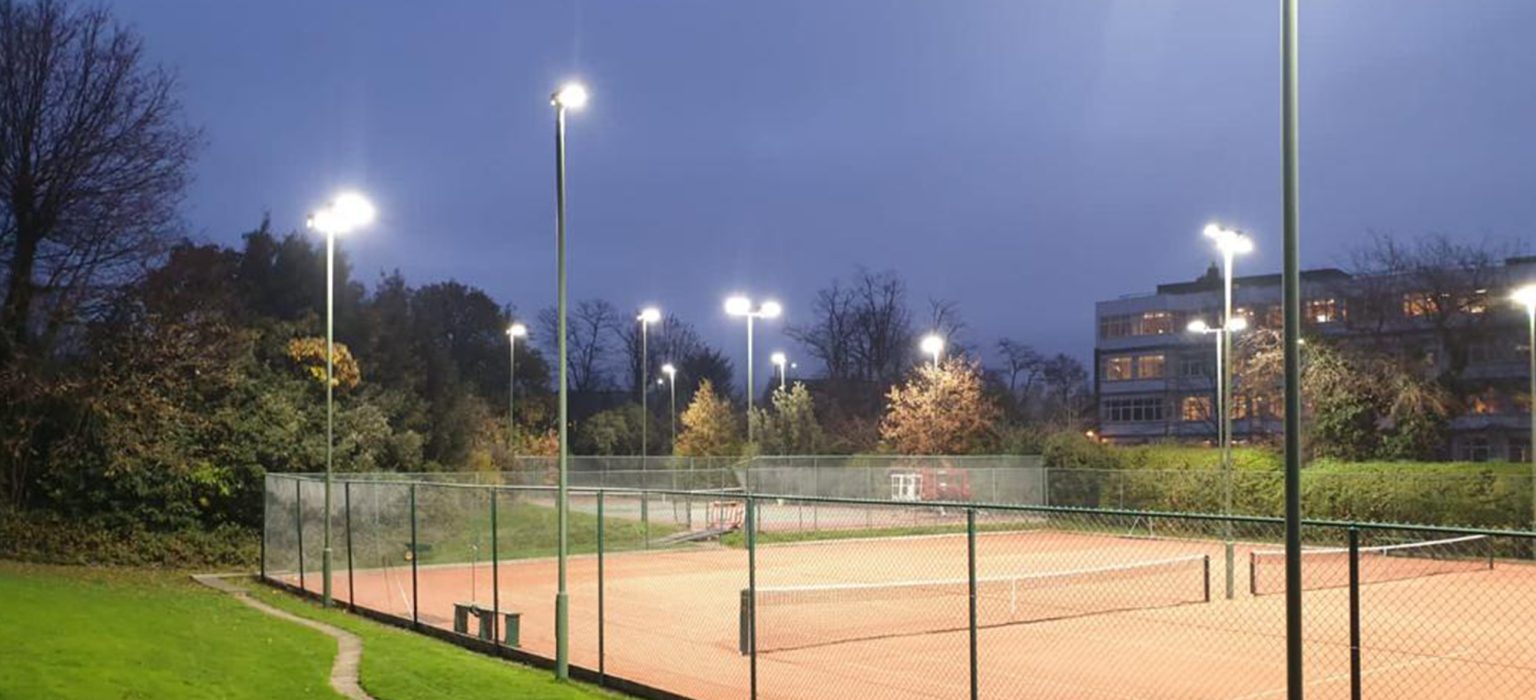
As modern stadiums and sports facilities increasingly lean towards energy efficiency and
sustainability, LED sports lighting has taken center stage. Offering a plethora of benefits
over traditional lighting methods, LED (Light Emitting Diode) technology has become an
irresistible choice for illuminating sports arenas around the globe. One of the most
compelling advantages of LED lighting is its longevity, which is significantly superior to its
conventional counterparts. In this blog, we’ll delve into how long LED sports lighting lasts
and explore the factors contributing to their impressive lifespan.
Life Expectancy of LED Sports Lighting
While the lifespan of LED lights can vary depending on various factors such as usage,
quality of components, and environmental conditions, on average, LED sports lighting is
expected to last anywhere between 50,000 to 100,000 hours. This is a stark contrast to
traditional lighting solutions such as metal halide lamps, which often max out around
10,000 to 20,000 hours. This means that LED lights could potentially last up to 5 times
longer, considerably reducing the need for frequent replacements and maintenance, and
hence significantly cutting down on operational costs.
It’s important to remember that when we say an LED light lasts for 50,000 to 100,000
hours, it doesn’t mean the light will suddenly stop working after this period. Rather, this is
the time it takes for the LED to reach what is called its ‘L70’ point. The L70 rating is the
industry standard for measuring LED lifespan and refers to the point at which the LED
has reached 70% of its initial light output. So even after 50,000 hours, the LED will still be
functional, but its light output will have slightly diminished.
Factors Contributing to LED Sports Lighting Longevity
Several factors contribute to the impressive longevity of LED sports lighting.
- Superior Technology:
LEDs generate light via electroluminescence—a phenomenon where a material emits
light in response to an electric current passing through it. This process generates far less
heat than incandescent or halogen lamps. Less heat translates to less thermal stress on
the lighting components, thereby increasing their lifespan. - Quality Components:
High-quality LEDs and other components used in LED sports lighting systems are
designed for durability and long-term performance. Many manufacturers are now
investing in advanced materials for LED packaging, high-quality power supplies, and
robust heat dissipation systems, which further extend the life of LED sports lights. - Efficient Cooling Systems:
LED sports lights often come equipped with superior cooling systems to prevent
overheating. Effective heat management not only improves the light’s performance but
also significantly extends its lifespan. - Intelligent Lighting Controls: Many LED sports lighting systems are now paired with intelligent lighting controls, including dimming capabilities and occupancy sensors. These controls allow for better management of light usage and can further extend the lifespan of the LEDs by reducing
their run time when not needed.
In summary, LED sports lighting is revolutionizing the way we light our sports facilities,
not only by delivering high-quality, energy-efficient illumination but also by offering an
exceptionally long lifespan. The longevity of these lighting systems helps reduce
environmental impact, cut down on maintenance costs, and provide more consistent
lighting conditions, making them a wise choice for any sports facility. As technology
continues to advance, it’s exciting to envision the future possibilities of LED sports
lighting and how it will continue to shape the world of sports.